
Music History Events: Releases
September 9, 1982 Coming off the monstrous success of Moving Pictures, Rush releases Signals, their ninth studio album. It features "Subdivisions," a song that becomes a regular part of their live repertoire. The album hits platinum status only two months after release.
September 3, 1982 Culture Club's "Do You Really Want To Hurt Me?" is released in the UK. The critics are not kind; Smash Hits calls it "fourth division reggae."
July 1, 1982 Grandmaster Flash and the Furious Five release the early rap classic "The Message." It's the first hip-hop hit with lyrics about struggle in the inner city.
May 7, 1982 The first Men at Work album, Business as Usual, already a #1 hit in their native Australia, is finally released in America. In November, it rises to the top in the US.
April 15, 1982 Anvil release their sophomore album, Metal on Metal. Produced by Chris Tsangarides, the album spawns the anthemic title track, which instantly becomes an Anvil concert standard.
February 25, 1982 Alabama release their sixth studio album, Mountain Music.
January 22, 1982 Alabama releases "Mountain Music."
January 19, 1982 Bad Religion release their first full-length studio album, How Could Hell Be Any Worse?
November 23, 1981 AC/DC release the album For Those About to Rock We Salute You, their follow-up to Back In Black. The title track, complete with custom cannons, becomes their regular encore.
November 2, 1981 Neil Young releases Re-ac-tor, his 11th studio album. It marks the first time Young uses an instrument called the Synclavier and signals the coming electronic sound of Trans. Made at a time when Young's attention is primarily focused on caring for his disabled son, the album feels slopped together and is not well received by critics or fans.
October 12, 1981 U2 release their second album, October. Reflecting their Christian faith, it's filled with allusions to the Bible, notably on the song "Gloria."
October 2, 1981 The Police's fourth album is the last in a sequence of four annual autumn releases. The title, Ghost in the Machine, is taken from a psychology book by Arthur Koestler and breaks their erstwhile tradition of giving their records French-sounding titles. It is a #2 hit in the US, led by the hit single "Every Little Thing She Does Is Magic."
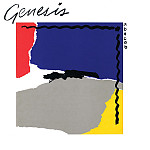 September 18, 1981 Genesis release their "abstract" album, Abacab, in the UK.More
April 7, 1981 Rick James releases his most successful album, Street Songs, with "Fire And Desire" and "Super Freak."
February 20, 1981 Rick James releases "Give It To Me Baby," a #1 R&B hit filled with that funk, that sweet, that funky stuff.
February 19, 1981 Phil Collins releases his debut solo album, Face Value.
February 17, 1981 Eric Clapton releases his seventh solo album, Another Ticket. The first version was rejected by his record company so Clapton started over with a new producer (Tom Dowd) and wrote new songs, including the hit single "I Can't Stand It."
November 21, 1980 Steely Dan releases Gaucho. The album is meticulously produced and features contributions from Rick Derringer and Mark Knopfler.
November 3, 1980 Neil Young releases his 10th studio album, Hawks & Doves.
October 20, 1980 U2 release their debut album, Boy, produced by Steve Lillywhite. It doesn't yield any hits but "I Will Follow" becomes one of their most popular songs.
October 8, 1980 Talking Heads release their fourth album, Remain In Light, their last produced by Brian Eno. The song "Once In A Lifetime" gets a video showing David Byrne's herky-jerky stage moves; it becomes an MTV favorite, aired the first day the network goes on the air.
October 8, 1980 Prince releases his third album, Dirty Mind. The title hints at the lascivious songs within, including "Head" and "Sister." The biggest hit from the set is the modest "Uptown," which goes to #5 on the R&B chart.
October 3, 1980 The Police's third album release, Zenyatta Mondatta, continues their theme of giving their records French-sounding titles. This time, the title has no clear translation, although it is suggested that it is a stylized combination of "zenith" and "monde" (Top of the World). It becomes their most successful album so far in America, reaching a peak of #5 and winning the band a pair of Grammy awards.
October 3, 1980 Diamond Head, one of the leading bands of the New Wave of British Heavy Metal movement, issue their debut album, Lightning To The Nations. Mega-DH fans Metallica cover five of the album's seven songs over the years: "Am I Evil?", "Helpless," "The Prince," "It's Electric," and "Sucking My Love." Other NWOBHM bands like Iron Maiden, Def Leppard and Saxon eclipse Diamond Head in terms of popularity, but the Metallica covers speak to their influence and ensure their place in history.
September 29, 1980 Kurtis Blow releases his self-titled debut album. Released on Mercury Records, it's the first rap album issued on a major label.
August 5, 1980 Pat Benatar releases her second album, Crimes Of Passion. "Hit Me With Your Best Shot" is the big hit, but her Young Rascals cover "You Better Run" gets a music video that becomes the second one aired on MTV (after "Video Killed The Radio Star") when the network launches a year later.
May 16, 1980 Paul McCartney releases McCartney II, which like his first solo album issued 10 years earlier, was recorded at his home studio with Paul playing every instrument. Forty years later, he does it again with McCartney III.
April 22, 1980 The Cure release their second studio album, Seventeen Seconds, which features their first Top 40 hit on the UK Singles chart: "A Forest."
April 14, 1980 Iron Maiden release their self-titled debut album, with a twin-guitar attack and lyrics that pull from the worlds of mythology and horror. The song "Iron Maiden," which refers to the medieval torture device that band is named after, becomes a live stalwart, played before the encore at most of their concerts throughout their career.
January 14, 1980 Rush release Permanent Waves, their seventh studio album. "The Spirit of Radio" and "Freewill" help make it their first to reach the Top 5 on the US albums chart, where it peaks at #4. The album represents a new direction for the band, with songs becoming denser and more radio friendly, setting the stage for the upcoming Moving Pictures.
Back to Categories©2026 Songfacts®, LLC