
Music History Events: Releases
November 23, 1979 Pink Floyd release "Another Brick In The Wall (part II)" in the UK, their first single issued in that territory since 1968. It goes to #1 a few weeks later.
November 19, 1979 Frank Zappa's one and only rock opera, Joe's Garage, is released. The opera mixes styles of blues, jazz, doo-wop, lounge, orchestral, rock, pop and reggae. It draws controversy for profane lyrics but is hailed as a cultural milestone and landmark album. The work also looks forward to Zappa's later crusade against the PMRC with its themes of government censorship, and introduces a few memes into the Zappa lexicon, including "The Central Scrutinizer," "a little green rosetta," and of course, the term "roto-plooker."
November 14, 1979 Hot on the heels of his wildly successful Rust Never Sleeps album, Neil Young releases Live Rust, an album of live performances from the Rust Never Sleeps tour.
October 2, 1979 Regatta de Blanc is The Police's second album release. It is even more successful than their debut and earns the band their first Grammy award in 1980. The French title loosely translates to "White Reggae."
August 3, 1979 Talking Heads release their third album, Fear of Music. Produced by Brian Eno, it's full of one-word titles, including "Heaven," "Air" and "Drugs."
June 22, 1979 Neil Young releases his highly lauded live album, Rust Never Sleeps. It contains several new songs that go on to be Young favorites, including "Powderfinger," "My My, Hey Hey," and "Pocahontas."
April 13, 1979 Thin Lizzy release their ninth album, Black Rose: A Rock Legend, with standout tracks "Waiting For An Alibi" and "Got To Give It Up."
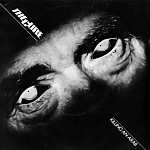 December 21, 1978 The Cure release their debut single, "Killing An Arab," an existential song about a man who contemplates the meaning of life after murdering an Arab on a beach. Based on the controversial title, the band faces accusations of provoking anti-Arab sentiment.More
November 12, 1978 Kate Bush releases her sophomore album, Lionheart, featuring the Top 20 UK hit "Wow."
October 29, 1978 Rush's Hemispheres hits stores. The album is ambitious even by Rush standards, and the work put into recording it nearly gives the band members nervous breakdowns.
October 21, 1978 Neil Young releases Comes a Time, his 9th studio album. Featuring "Lotta Love," it's certified Gold a little over a month later.
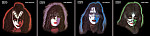 September 18, 1978 The albums Gene Simmons, Paul Stanley, Ace Frehley, and Peter Criss all hit stores on the same day.More
August 2, 1978 Boston release their second album, Don't Look Back, which like its predecessor was recorded mostly in group leader Tom Scholz' basement studio.
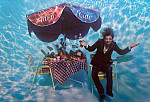 May 16, 1978 Joe Walsh releases his fourth album, But Seriously, Folks..., where he indulges in an underwater meal in the artwork.More
April 7, 1978 The Police release "Roxanne" in the UK. BBC Radio 1 refuses to play it, which tanks the song, but when the band tours America a year later it catches on in that country, becoming their first hit.
March 17, 1978 Jimmy Buffett releases his eighth studio album, Son Of A Son Of A Sailor, which features his popular tune "Cheeseburger In Paradise."
September 23, 1977 Steely Dan release their sixth album, Aja. Pronounced "Asia," it's a collection of meticulous and mysterious songs like "Black Cow" and "Deacon Blues."
September 1, 1977 Rush release their fifth album, A Farewell to Kings. The album's epic "Xanadu" and "Cygnus X-1 Book I: The Voyage" satisfy Rush's cult following, while the shorter and more radio-friendly "Closer to the Heart" find favor with general audiences in both the US and the UK.
May 27, 1977 Neil Young releases American Stars 'n Bars, his 8th studio album. Containing an eclectic batch of songs pieced together from four different recording sessions going back as far as three years (with "Star of Bethlehem" being the oldest), the album features one of Young's most iconic tunes, "Like a Hurricane."
May 1, 1977 The Police release their first single, "Fall Out," which is available only in the UK. Guitarist Andy Summers has yet to join the band.
April 15, 1977 The Stranglers' debut full-length album, Rattus Norvegicus, is released. Produced by Martin Rushent, the album spawns one of punk's all-time classics, "Peaches."
November 26, 1976 The Sex Pistols release their debut single, "Anarchy in the U.K.," a blast of subversive punk rock that influences waves of British musicians.
October 22, 1976 The Damned release "New Rose," the first ever British punk single.
October 11, 1976 Donna Summer's Four Seasons Of Love concept album is released.
September 29, 1976 Rush release their first live album, the double LP All The World's A Stage.
September 21, 1976 Tom Waits releases Small Change, his third studio album. It includes two of his most definitive tunes, "Tom Traubert's Blues" and "The Piano Has Been Drinking (Not me) (An Evening with Pete King)."
September 13, 1976 Lynyrd Skynyrd release their first live album, One More from the Road. It's the only live album the band releases before a 1977 plane wreak ends the original lineup and puts the band out of commission entirely for fourteen years.
May 21, 1976 Blue Öyster Cult release their most popular album, Agents Of Fortune. Thanks to "(Don't Fear) The Reaper," it sells over a million copies in America.
April 1, 1976 Rush disregard their record label's wishes and release 2112. Mercury wanted the band to produce an album with more radio-friendly singles than Caress of Steel, but 2112 is just as ambitious and "progressive" as its predecessor. This time, however, advances in the band's skills and changes in the market make 2112 successful, though it will take 1977's A Farewell to Kings to help nudge 2112 to Gold status.
March 19, 1976 The Doobie Brothers release Takin' It To The Streets, their first album with Michael McDonald. He was brought into the group to play keyboards, but claimed the role of lead singer when he belted out the title track, which he wrote, in the studio for producer Ted Templeman.
Back to Categories©2026 Songfacts®, LLC