
Music History Events: Releases
August 25, 1984 Menudo, the Puerto Rican boy band with the ever-changing lineup, release their 16th studio album, Evolucion. The album introduces their new 12-year-old singer, Ricky Martin.
July 27, 1984 Metallica release their second album, Ride The Lightning, via Megaforce Records. It is reissued a short time later when they sign to Elektra Records.
June 12, 1984 Howard Jones' debut album, Human's Lib, is released in the US.
May 29, 1984 Comic rap group the Fat Boys release their self-titled debut album. By the end of the '80s, they have four Gold albums (including their debut) and star in the movie Disorderlies.
May 7, 1984 Roger Waters releases his first solo album, The Pros And Cons Of Hitch Hiking. His band, Pink Floyd, fractured the previous year.
April 12, 1984 Rush release Grace Under Pressure, their 10th studio album and, according to guitarist Alex Lifeson, their most satisfying. With standout tracks "Distant Early Warning" and "Red Sector A," it's well received by fans.
March 27, 1984 Run-DMC release their self-titled debut album, which becomes the first rap album certified Gold by the RIAA.
March 5, 1984 Howard Jones' debut album, Human's Lib, is released in the UK, where it rises to #1.
January 20, 1984 Metallica's second single, "Jump in the Fire," is released.
December 11, 1983 Run-D.M.C. release their second single, "Hard Times," a song about financial struggles. It's the first rap song to get covered by another rap group, having first appeared on Kurtis Blow's debut album in 1980.
December 11, 1983 Whodini release their debut album, one of the first rap LPs on a major label (Jive). The song "Magic's Wand" inspires their name, which is a play on the name of magician Harry Houdini.
November 30, 1983 Bad Religion release their second full-length studio album Into the Unknown.
November 10, 1983 Billy Idol releases his second album, Rebel Yell. Along with the title track, hits from the album include "Eyes Without A Face" and "Flesh for Fantasy."
October 15, 1983 The debut studio album by Alcatrazz is issued, No Parole from Rock n' Roll, which features guitar work from a then-unknown Yngwie Malmsteen and spawns such melodic metal nuggets as "Island in the Sun" and "Hiroshima Mon Amour."
October 14, 1983 Cyndi Lauper, formerly a member of the group Blue Angel, issues her first solo album, She's So Unusual. With the MTV hits "Girls Just Want To Have Fun" and "Time After Time," it becomes an '80s touchstone.
September 17, 1983 Howard Jones' debut single, "New Song," is released in the UK, where it will go on to chart at #3.
August 8, 1983 Metallica's first single, "Whiplash," is released via Megaforce Records.
August 1, 1983 Neil Young puts together a one-time backing band called the Shocking Pinks for a rockabilly album titled Everybody's Rocking'. It's his 13th studio album.
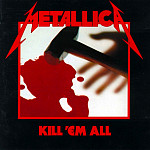 July 25, 1983 Metallica release their debut album, Kill 'Em All, three months after parting ways with guitarist Dave Mustaine.More
July 5, 1983 Suicidal Tendencies release their self-titled debut album. The album spawns the band's biggest hit to date, "Institutionalized."
May 31, 1983 After a break in which David Byrne and Jerry Harrison release solo albums and Chris Frantz and Tina Weymouth form Tom Tom Club, Talking Heads return with their fifth album, Speaking In Tongues. It contains their biggest hit, "Burning Down The House."
April 15, 1983 The Bad Brains' second full-length album, Rock for Light, is released. Produced by The Cars' Ric Ocasek, the album features both new compositions (such as the title track and "How Low Can a Punk Get?"), as well as re-recordings of tunes that originally appeared on the group's debut ("Sailin' On," "Banned in D.C."). Years later, Kurt Cobain would list Rock for Light as one of his all-time favorite records.
April 1, 1983 The second Men at Work album, Cargo, is released in America. The group's debut was released there less than a year earlier and is still getting airplay, leading to Men at Work saturation. Sudden success takes its toll on the group, which breaks up a few years later.
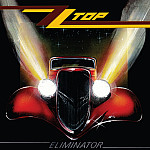 March 23, 1983 ZZ Top release their album Eliminator, which features Billy Gibbons' custom hot rod on the cover. Thanks to videos for "Gimme All Your Lovin'," "Sharp Dressed Man" and "Legs" featuring the car and various babes, they become unlikely MTV stars, earning a new generation of fans.More
March 21, 1983 Pink Floyd's last album with Roger Waters, The Final Cut, is released in the UK.
March 12, 1983 Run-DMC release their debut single, "It's Like That."
March 7, 1983 New Order release "Blue Monday," which becomes the biggest-selling 12-inch single of all time. The track is reissued twice by the band: in 1988 and 1995. Despite massive success in Europe and on the specialist dance chart, only the 1988 Quincy Jones remix makes it to the mainstream Billboard Hot 100, peaking at #68.
February 28, 1983 U2 release their third album, War, with "Sunday Bloody Sunday" and "New Year's Day." It's their first album to sell a million copies in America.
December 29, 1982 Unexpectedly (and some say inexplicably) delving into electronic music, Neil Young releases his 12th studio album, Trans. This album, along with the one that follows it (Everybody's Rockin'), causes Geffen Records to sue Young for intentionally creating music that won't sell.
October 2, 1982 Accept's fourth studio album, Restless and Wild, is released. Self-produced by the band, the album would include two different front covers (one of two Flying V's aflame, the other a live shot of the band) and spawn a track which many consider the birth of speed metal, "Fast as a Shark."
Back to Categories©2026 Songfacts®, LLC