
Timeline : The Beatles
The Beatles play their last concert (not counting their Apple Records rooftop appearance in 1969) in their native England when they perform at a show put on by the New Musical Express. The last song is "I'm Down."
The final Beatles world tour begins in Munich. Moving forward, they concentrate on studio efforts, resulting in the landmark album Sgt. Pepper's Lonely Hearts Club Band.
The Beatles record "She Said She Said," a song inspired by a party where Peter Fonda, John Lennon, Ringo Starr and George Harrisonn were taking acid. Paul McCartney, who did not partake at the party, finds himself frozen out of the recording session and leaves, so Harrison plays bass on the track.
Workers at a London railway station notice a large package wiggling, so they open it to discover 12-year-old Carol Dryden, a Beatles fan trying to mail herself to the group.
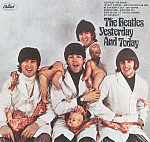
The Beatles' Yesterday ...And Today album hits #1 in America.
The Beatles play two shows in the Philippines, first in the afternoon to a crowd of 30,000, then in the evening to another 50,000. They fly to India the next day.
The Beatles play their last paid concert, wrapping up their tour at Candlestick Park in San Francisco. Jaded by poor sound systems and the rigors of the road, they turn their attention to studio work.More
The Beatles play Shea Stadium for the second time. This one doesn't sell out, as they have been playing other shows in the area.
The Beatles play under a tarp at Busch Stadium on a rainy evening in St. Louis. It's rather unpleasant, leading to their decision to stop doing concerts and focus on studio work.
With some members of the media turning on The Beatles after John Lennon's comments that they are "more popular than Jesus" are published, the Texas radio station KLUE-AM holds the first "Beatles Bonfire," where people can burn their Beatles albums.
At a Beatles press conference in Chicago to promote their American tour, the big topic is John Lennon's quote, "We're more popular than Jesus now; I don't know which will go first, rock 'n' roll or Christianity." Lennon, clearly shaken by the controversy, explains: "I was pointing out that fact in reference to England - that we meant more to kids than Jesus did, or religion, at that time. I wasn't knocking it or putting it down, I was just saying it as a fact."
The Beatles begin the US leg of their last tour, playing a date at the International Amphitheater in Chicago, Illinois.
The Beatles release Revolver, which contains the psychedelic "Tomorrow Never Knows" and the bitter "Taxman."
The Beatles release "Eleanor Rigby" on a double A-side single with "Yellow Submarine."
The Beatles' Revolver hits #1 in America despite a firestorm over John Lennon's comments that the group is "more popular than Jesus now."
John Lennon visits London's Indica Gallery to see the exhibit Unfinished Paintings and Objects and meets the artist behind the showing, Yoko Ono. She presents him with a card that simply says, "Breathe," and he responds by panting. He attempts to hammer a nail into one of her interactive artworks, which invites viewers to do just that; since the exhibit does not open to the public till the next day, however, Ono refuses, leading the gallery's owner to beg her to reconsider due to John's fame. Ono still refuses, claiming to have never heard of The Beatles, but says he can hammer one in for five shillings. John responds that he'll let her have an imaginary five shillings if he can hammer in an imaginary nail. Two years later, the two meet again and quickly fall in love.
Beatles producer George Martin and his engineer Geoff Emerick pull off one of the all-time great feats of sound editing: combining two takes of "Strawberry Fields Forever" - in different keys and tempos - to make one song. The edit is 59 seconds in, just before John Lennon sings, "Going to..."
No longer touring, The Beatles hunker down on their Sgt. Pepper's Lonely Hearts Club Band album. With "Strawberry Fields Forever" in the can, they start work on "When I'm 64," a song they started playing live in rough form years earlier.
While in Sevenoaks, Kent, England, John Lennon visits an antique shop and buys an 1843 circus poster that inspires The Beatles song "Being For The Benefit of Mr. Kite."
The Beatles start recording "A Day In The Life," leaving a placeholder in the middle section that is later filled with Paul McCartney's "Woke up, fell out of bed" part, taken from another song he was working on.
London's Daily Mail newspaper carries an article about potholes in Blackburn, Lancashire, inspiring John Lennon to mention it in "A Day In The Life."
The Beatles release "Strawberry Fields Forever" as a single in the US, with "Penny Lane" on the flip side.
The Beatles shoot the cover of their Sgt. Pepper’s Lonely Hearts Club Band album at Chelsea Manor Studios in London.
John Lennon takes his first major LSD trip and freaks out while recording backing vocals on the track "Getting Better." Producer George Martin, not realizing the effects of the drug, takes Lennon to the roof of Abbey Road Studios to get some fresh air. Paul McCartney and George Harrison, upon learning where John is, rush up to get him down. The group works on a piano track for "Lovely Rita" instead.
The Beatles "Penny Lane" reaches #1 on the US Hot 100. There is a real Penny Lane in Liverpool, but the song is written about the bus station.
Flying back to England after participating in The Beach Boys' aborted Smile sessions, Paul McCartney comes up with the idea for The Beatles' film and album Magical Mystery Tour.
The Beatles finish recording "Within You Without You," a George Harrison song where he plays sitar and is accompanied by various Indian musicians. He has the engineers add some laughter to the end of the track from a sound effects reel.
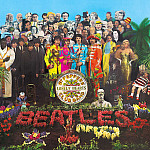 The Beatles release their landmark album Sgt. Pepper's Lonely Hearts Club Band in the UK.More
Because of the line, "I'd love to turn you on," the BBC bans The Beatles song "A Day In The Life," claiming it may promote drug use.
©2026 Songfacts®, LLC