
Music History Events: Charts
November 6, 1976 Blue Öyster Cult land their biggest hit as "(Don't Fear) The Reaper" peaks at #12 in the US. The song is not about suicide, but about reuniting with loved ones in the afterlife.
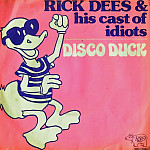 October 16, 1976 Disc jockey Rick Dees hits #1 in the US with "Disco Duck," a goofy number that envisions Donald Duck enjoying the spoils of the disco era. It is the last novelty song to top the Hot 100.More
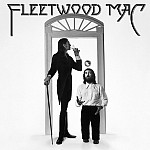 September 4, 1976 Fleetwood Mac's self-titled album makes #1 a year after its release, knocking off Peter Frampton's Frampton Comes Alive. It's the band's first album with Lindsey Buckingham and Stevie Nicks.More
September 4, 1976 "You Should Be Dancing" by the Bee Gees goes to #1 in America. The next year, it is used in the Saturday Night Fever scene where John Travolta clears the dance floor.
May 29, 1976 Diana Ross' "Love Hangover" hits #1 in America. It's the first disco hit for Motown Records, which is slow to embrace the sound.
May 8, 1976 John Sebastian's "Welcome Back," the theme song to the TV series Welcome Back, Kotter, hits #1 in America. The series was originally called Kotter, but after Sebastian wrote the song, the title was changed to accommodate (Sebastian tried writing a song called "Kotter," but could only rhyme that word with "otter").
April 10, 1976 Peter Frampton's album Frampton Comes Alive! hits #1 in the US, where it stays for 10 non-consecutive weeks, more than any other album in 1976.
April 3, 1976 Johnnie Taylor's "Disco Lady" hits #1 on the Hot 100, becoming the first chart-topper with the word "disco" in the title.
March 13, 1976 The Four Seasons hit #1 in America with "December, 1963 (Oh, What a Night)," making them the only act to chart #1 hits before, during and after The Beatles.
March 6, 1976 EMI Records reissues 23 singles by The Beatles - every one of them charts (again) in the UK.
February 7, 1976 Bob Dylan's album Desire, featuring the songs "Isis" and "Mozambique," hits #1 in America.
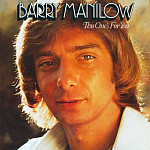 January 17, 1976 Barry Manilow's "I Write The Songs," written by Bruce Johnston of The Beach Boys, hits #1 in America. It goes on to win the Grammy Award for Song of the Year.More
January 10, 1976 C.W. McCall's "Convoy" hits #1 in the US amid fascination with trucker culture and CB radios.
December 27, 1975 The #1 song in America is "Let's Do It Again," a surprisingly lubricious song by the gospel group the The Staple Singers. The song was written by Curtis Mayfield for the film of the same name starring Bill Cosby and Sidney Poitier.
December 6, 1975 Paul Simon's Still Crazy After All These Years album hits #1 in America, his first solo album to top the chart.
November 29, 1975 Queen's "Bohemian Rhapsody" hits #1 in the UK and stays for a record nine weeks. In America, it becomes the group's first Top 10 hit when it peaks at #9 on April 24, 1976.
November 22, 1975 "That's The Way (I Like It)" by KC & the Sunshine Band goes to #1 in America.
August 9, 1975 "Jive Talkin'" by the Bee Gees goes to #1 in the US, becoming their first disco chart-topper. It holds the position for two weeks.
August 2, 1975 The Eagles' "One Of These Nights" hits #1 in the US, where it stays for one week.
June 7, 1975 Elton John's Captain Fantastic And The Brown Dirt Cowboy, with the hit "Someone Saved My Life Tonight," becomes the first album to debut at #1 in the US. It holds the top spot for seven (non-consecutive) weeks.
May 11, 1975 "Stand By Your Man," released for the fifth time in the UK, finally catches on, going to #1 for the first of three weeks. First released in the UK in 1969, the song leads a surge of British interest in Tammy Wynette, who begins a tour there when her song is still topping the charts.
April 12, 1975 Elton John's "Philadelphia Freedom," named after the professional tennis team his friend Billie Jean King coaches, hits #1 on the Hot 100.
March 29, 1975 Labelle's "Lady Marmalade" hits #1 in America as listeners track down French speakers to translate the line, "Voulez-vous coucher avec moi ce soir." ("Do you want to sleep with me tonight?")
March 29, 1975 Led Zeppelin becomes the first band in history to have six entries on the Billboard Albums chart at once. Their latest release, Physical Graffiti, is at #1, with their previous five albums also on the chart: Led Zeppelin IV (#83), House of the Holy (#92), Led Zeppelin II (#104), Led Zeppelin (#116) and Led Zeppelin III (#124). They rarely release singles, which boosts their album sales.
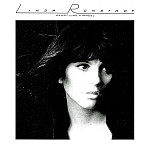 February 15, 1975 Linda Ronstadt finally breaks through when her album Heart Like a Wheel and single "You're No Good" both hit #1 in America, establishing her as one of the biggest stars of the '70s. It took a while: none of her first four solo albums charted higher than #45, no single higher than #25.More
January 4, 1975 Elton John's "Lucy In The Sky With Diamonds" hits #1 in the US. The Beatles' original, released in 1967 on the Sgt. Pepper's Lonely Hearts Club Band album, wasn't released as a single.
December 21, 1974 Harry Chapin's "Cat's In The Cradle" hits #1 in the US, forcing fathers to consider how much time and attention they're paying to their children.
November 30, 1974 Elton John's Greatest Hits album hits #1 in America, where it stays for the last five weeks of 1974 and first five of 1975.
November 16, 1974 John Lennon's "Whatever Gets You Thru The Night" hits #1 in America. Elton John, who sang and played piano on the track, had bet Lennon that it would hit the top spot. As the bet's loser, Lennon has to join Elton on stage at a Madison Square Garden concert, which he does on November 28 to a manic ovation.
November 9, 1974 Bachman-Turner Overdrive become just the second Canadian band to hit #1 in America when "You Ain't Seen Nothing Yet" claims the top spot. The first to do it was another Randy Bachman band: The Guess Who, who topped the chart with "American Woman" in 1970.
Back to Categories©2026 Songfacts®, LLC